Source Precision Screwdriver for Electronics, Medical, and Industry
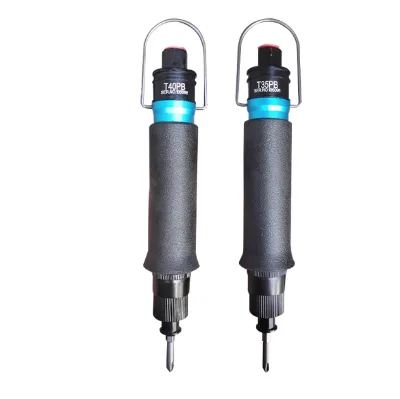
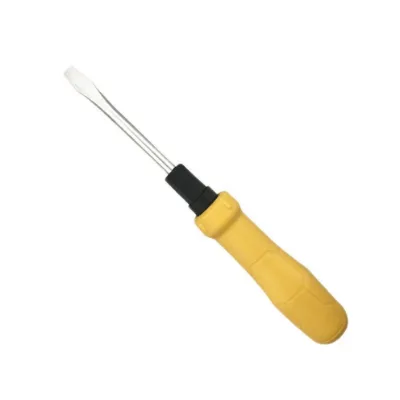
Compare 30 precision screwdriver options from verified Chinese manufacturers. These tools feature high carbon steel construction, customizable designs, and are suitable for indoor and outdoor household or professional applications with adjustable or unadjustable configurations.
Key considerations
Products List






Comprehensive Sourcing Guide
Strategic Sourcing Guide for Precision Screwdrivers in B2B Markets
Procuring precision screwdrivers for industrial, medical, and retail applications requires a rigorous understanding of technical specifications, supply chain capabilities, and quality assurance protocols. The global market for these tools is characterized by a diverse range of configurations, from manual straight-bar designs to semiautomatic electric units. Buyers must navigate a landscape where product attributes vary significantly between suppliers, often mixing high-carbon steel construction with varying voltage requirements and customization options. This guide provides a structured approach to evaluating potential suppliers and selecting the right equipment based on verified data points and industry standards.
Technical Specifications and Performance Metrics
The foundational step in sourcing precision screwdrivers involves a deep dive into technical specifications. The supplied product data indicates a wide spectrum of capabilities, ranging from manual tools to powered units. A critical observation is the variation in power sources; some units are explicitly defined as electric, utilizing AC high voltage or specific rated voltages such as 220V and 48V. Others may rely on different power inputs, necessitating a clear verification of the rated input power, which can reach up to 750W in certain industrial configurations.
Motor technology is another pivotal specification. The market features units equipped with coreless motors, which are often preferred for their efficiency and reduced weight in precision applications. The mechanical structure is predominantly described as a "straight type" or "straight bar," designed for ergonomic handling in both indoor and outdoor environments. When evaluating these tools, buyers should verify the precision rating, as observed data points suggest tolerances ranging from 3% to 5%. This variance is significant; a 3% accuracy rating implies a tighter tolerance suitable for delicate medical or electronics assembly, whereas a 5% rating might be acceptable for general industrial maintenance.
Material composition is equally critical. The majority of high-performance units in this category are constructed from high carbon steel, a material choice that ensures durability and resistance to wear during repeated use. The handle color varies, with options including colorful and metallic finishes, which can serve as visual indicators for different torque settings or safety zones. Furthermore, the adjustability of the tool is a key differentiator; the data shows instances of both adjustable and unadjustable models. Buyers must confirm whether the specific application requires a fixed setting or a variable torque mechanism before placing an order.
Customization and Product Configuration
Customization capabilities are a major driver in the B2B procurement of precision screwdrivers. The available data confirms that customization is a standard offering, with options for customized logos and colors. This allows companies to brand their tools for internal identification or to meet specific client requirements. The product origin is frequently listed as China, with specific manufacturing hubs noted in regions like Zhejiang. This geographic concentration often implies a mature supply chain for metalworking and tool manufacturing.
Size specifications also present a dichotomy between "common" sizes and fully customizable options. While standard models are readily available, the market supports bespoke dimensions, particularly for specialized machinery or unique assembly line requirements. The product model numbers, such as FT-CS-0002N, FT-CS-0006N, and FT-CSS-0012N, serve as unique identifiers for these configurations. When engaging with suppliers, buyers should request detailed model specifications to ensure the physical dimensions and weight align with their operational needs. For instance, weight standards observed in the data range from 0.6 kg to 0.7 kg, which can impact operator fatigue during extended shifts.
Packing standards are another area where customization plays a role. Observed packaging methods include individual polybags, white boxes, and shrink-wrapped units with color and warning labels. The inclusion of specific warning labels is essential for compliance with safety regulations in various industries. Buyers should verify that the packaging includes all necessary documentation and safety warnings, especially for units operating at high voltages or involving complex motor assemblies.
Compliance, Certification, and Safety Standards
Navigating the compliance landscape is essential for sourcing precision screwdrivers, particularly for applications in medical, retail, and industrial sectors. The supplied context mentions several certifications, including CE, RoHS, and BSCI, though these are noted as low-confidence background information. This distinction is crucial; buyers should not assume a supplier possesses these certifications without requesting valid, up-to-date documentation. The presence of a CE mark, for example, indicates conformity with health, safety, and environmental protection standards for products sold within the European Economic Area, but it must be verified against the specific product batch.
Safety standards are further reinforced by the product condition, which is consistently listed as "new." This implies that the tools are manufactured to current safety protocols rather than being refurbished or used. The voltage ratings, such as 220V and 48V, require careful attention to electrical safety standards. Buyers must ensure that the tools are designed with appropriate insulation and safety features to prevent electrical hazards, especially in environments where moisture or conductive materials are present.
The application age is specified as "adult," which aligns with the general safety requirements for industrial tools. However, the marketing type is often listed as "ordinary product," suggesting that these tools may not carry specialized medical or aerospace certifications by default. Therefore, buyers in regulated industries must conduct their own due diligence to verify that the specific model meets the necessary regulatory requirements for their jurisdiction. The video outgoing-inspection service provided by some suppliers offers an additional layer of verification, allowing buyers to visually inspect the product before shipment.
Cost Drivers and Procurement Economics
Understanding the cost drivers for precision screwdrivers is vital for budgeting and negotiation. The observed price range is exceptionally broad, spanning from $0.22 to $10,000 USD. This vast disparity is driven by several factors, including the complexity of the mechanism, the quality of materials, the level of automation, and the degree of customization. A basic manual screwdriver made of high carbon steel will naturally fall at the lower end of this spectrum, while a semiautomatic unit with a coreless motor, PLC components, and a gearbox will command a significantly higher price.
Minimum Order Quantity (MOQ) is another critical economic factor. The data indicates an MOQ range of 1 to 1000 units. This flexibility allows buyers to start with small retail orders or scale up to wholesale quantities. The availability of both retail and wholesale options suggests that suppliers are catering to a diverse customer base, from small workshops to large manufacturing plants. Buyers should negotiate based on their volume requirements, as higher volumes often unlock better pricing tiers and more favorable lead times.
Lead times are generally short for in-stock items, with a standard window of 3-5 working days. However, for customized orders or units requiring specific configurations, lead times may extend. The shipment methods, including air and sea freight, also impact the total cost of ownership. Air freight offers speed but at a higher cost, while sea freight is more economical for large, heavy shipments but requires longer transit times. Buyers must balance the urgency of their needs against the budget constraints when selecting a shipping method.
Supplier Evaluation and Quality Assurance
Evaluating suppliers requires a focus on their core components and production capabilities. The data highlights that advanced models often include PLCs, gearboxes, and motors as core components. This indicates a level of sophistication in the manufacturing process that goes beyond simple assembly. Buyers should assess the supplier's ability to source high-quality components and their expertise in integrating them into the final product. The presence of a "video outgoing-inspection" service is a strong indicator of a supplier's commitment to transparency and quality control.
Quality assurance protocols should be a primary consideration. The condition of the products is listed as "new," but buyers must verify the testing procedures used to ensure this status. For semiautomatic units, the precision of the motor and the accuracy of the torque settings are critical. The observed accuracy rates of 3% and 5% should be validated through independent testing or third-party certification. Suppliers who provide detailed test results and performance data are more likely to deliver consistent quality.
The structure of the product, described as "straight type" and "unfolded," also plays a role in quality assessment. Buyers should inspect the build quality of the handles and the alignment of the screwdriver tips. High carbon steel is a standard material, but the heat treatment and finishing processes can vary significantly between suppliers. These factors directly influence the longevity and performance of the tool. Buyers should request samples or visit the manufacturing facility to verify the quality of the materials and the craftsmanship.
Long-Term Procurement and Operational Integration
Integrating precision screwdrivers into long-term procurement strategies requires a focus on sustainability, maintenance, and scalability. The warranty period is a key indicator of supplier confidence, with a standard offering of 1 year. This warranty should cover defects in materials and workmanship, providing buyers with peace of mind regarding the initial investment. However, buyers should also consider the availability of spare parts and the supplier's ability to provide technical support over the long term.
The application scope of these tools is broad, covering retail, industry, medical, and other sectors. This versatility makes them a valuable asset for diversified procurement strategies. However, the specific requirements of each industry must be met. For instance, medical applications may require stricter hygiene standards and higher precision, while industrial applications may prioritize durability and high torque. Buyers should ensure that the selected tools are compatible with their existing workflows and can scale with their production needs.
Finally, the environmental impact of the tools and their packaging should be considered. The use of high carbon steel and the availability of customizable packaging options offer opportunities for sustainable sourcing. Buyers should inquire about the recyclability of the materials and the efficiency of the packaging to minimize waste. By adopting a holistic approach to procurement that considers technical, economic, and environmental factors, buyers can secure a reliable supply of precision screwdrivers that meets their operational needs and supports their long-term business goals.
FAQs
What customization options are available for precision screwdrivers?
Customization is available for logos, colors, and sizes. Buyers can request customized logos and colors while size options range from common dimensions to fully customizable specifications to meet unique assembly needs.
How is the accuracy of these precision screwdrivers defined?
Accuracy ratings observed in the market range from 3% to 5%. A 3% rating indicates tighter tolerance suitable for medical or electronics assembly, while 5% is acceptable for general industrial maintenance tasks.
Can I order precision screwdrivers with specific voltage requirements?
Yes, units are available with various voltage ratings including 220V and 48V. Some models operate on AC high voltage, while others utilize specific rated voltages depending on the motor and power source configuration.
What is the typical lead time for in-stock precision screwdrivers?
The lead time is 3-5 working days if goods are in stock. For customized orders or specific configurations, lead times may extend beyond this standard window depending on production capacity.
Which materials are used to construct these precision screwdrivers?
High carbon steel is the primary material used for construction. This material ensures durability and resistance to wear during repeated use in both indoor and outdoor environments.
What packaging standards are applied to these products?
Packaging includes individual polybags, white boxes, or shrink-wrapped units with color and warning labels. Specific configurations may feature each piece with a color label and warning label for safety compliance.